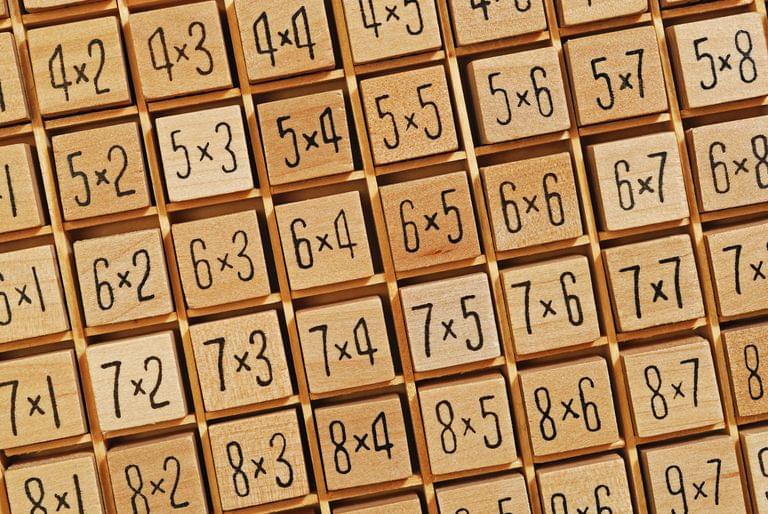
Math is like a game: it’s fun when you’re good at it, but you loathe it when you’re not. And for kids, it’s a lot harder to learn about something you truly detest. If the words “My kid is behind in math” have been keeping you up at night, you’ll be glad to know there’s hope.
Investing some extra time can make a huge difference in not just helping your child stay on par with their peers, but also begin to look forward to math class. Here’s how you can help your child catch up:
1. Find Out Why They’re Falling Behind
My child is falling behind in math, but why?
This is the first question you should ask. There is a myriad of reasons why your child isn’t on track in math class. It could have something to do with the classroom environment, the pace of the program, or even their learning style. Or maybe they never mastered a certain fundamental and therefore cannot build on it.
Math is a subject that builds on itself each year. Pre-K and Kindergarten set the basics, so if your child missed something here, then future math lessons won’t make much sense.
The best practice is to go back to the basics. Start with the most simple concepts, then progress until you find the disconnect.


2. Keep Them Engaged
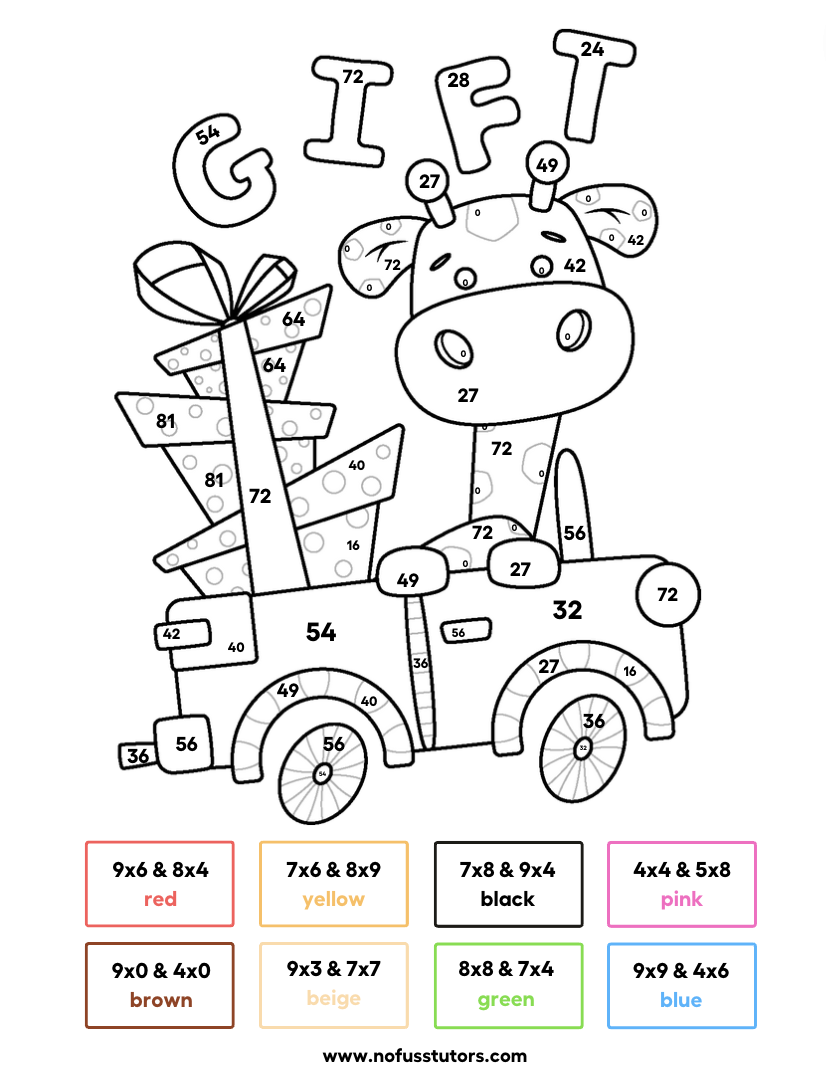
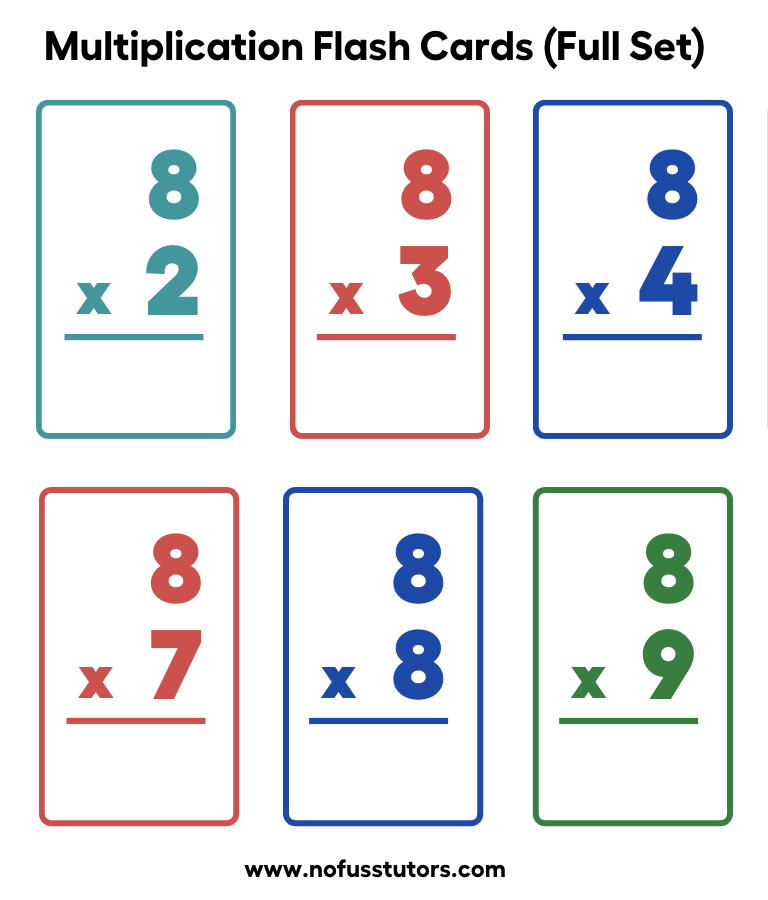
Numbers might not be your child’s thing, but making math fun is the best way to keep every student engaged. Turning math lessons into games, offering incentives, and incorporating other subjects into math can be excellent tools to put math into a different light for them.
Another way to make math more engaging is to use props or items instead of pencil and paper. For example, if your child is learning the concepts of time, give them a clock instead of drawing one on paper. If they’re counting money, use real money. For multiplication, fractions, and divisions, Legos or candy work well.
3. Play Math Games on the Computer
Most parents want their child to have less screen time, but if your child is falling behind in math, a little extra screen time might prove worthwhile.
The reason for this is to see if a different teaching style can help. Some kids might learn better by playing math games, while others are fine doing workbook exercises. Some math games can also give your child real-time feedback when they click on a wrong answer and provide visuals that put problems into perspective.
4. Work with a Math Tutor
Teaching your own child math can be a struggle, especially if you’re not a fan of the subject. Instead, consider the advantages of working with a tutor who is experienced in helping kids who have fallen behind in math.
At No Fuss Tutors, we consistently see our students go from hating math to smiling when they do their homework. Our goal is to identify what they don’t know and what’s preventing them from moving forward, then working on their level to help them gain skills and confidence. Contact us today to learn how we can help your child get back on track with math!