

Letter A Worksheet

All about the letter A worksheet for the preschool level. Trace the letter A, capital A and lower case a practice. Letter formation and identification of letters are the ultimate building blocks for learning how to read and write. A is obviously at the start of the alphabet and is a good place to start your preschooler's reading journey!

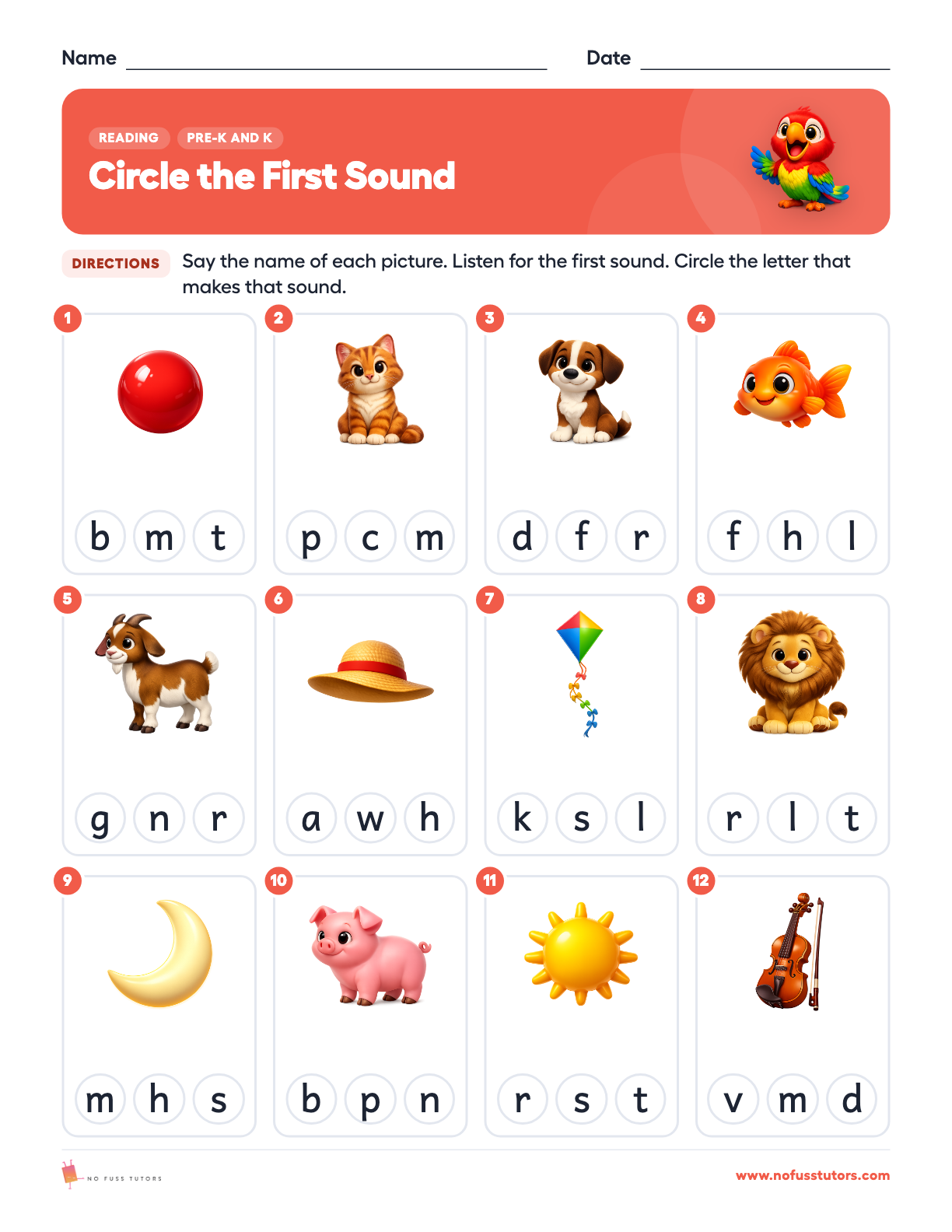
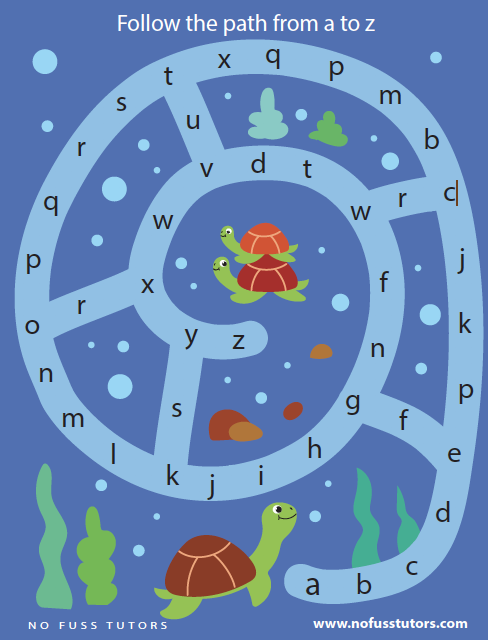
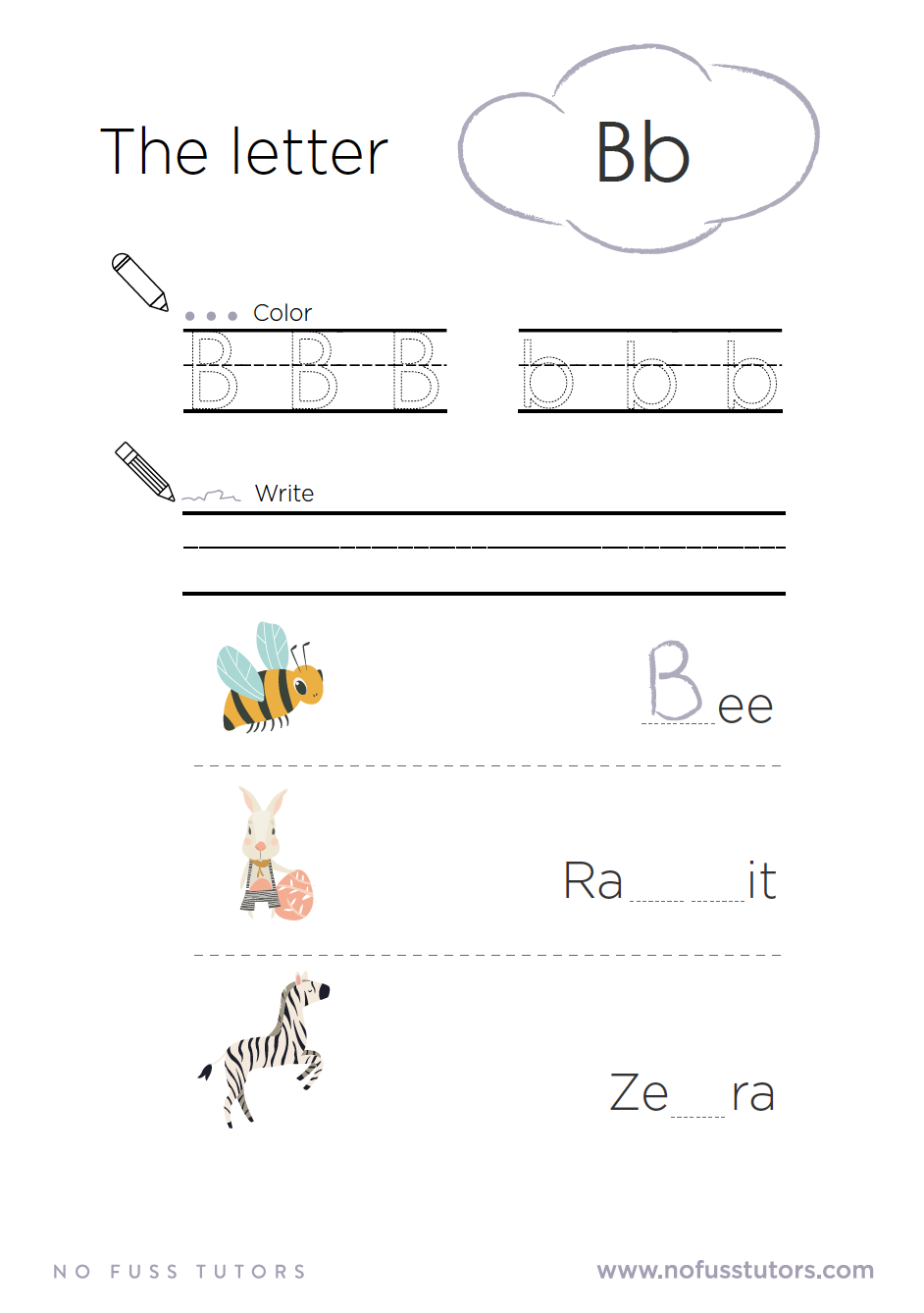


Letter 'a’ Worksheets for children
Parents usually wait until their child grows up to around 4 years old to begin his or her schooling. Though every parent educates their child in a unique way, waiting until the age of 4 can delay and possibly hamper the learning process. Early literacy, hence, is of great importance and it is suggested to not put it off until later.
Alphabet learning and playing with sounds is one of the main components of early literacy. A child’s educational journey begins with the alphabet and the journey of the alphabet, in turn, begins with the letter a. Proceeding to the next 25 alphabets without first being able to read, write, and utter the letter ‘a’ seems impossible.
Also, the extent to which a preschooler understands the alphabet determines the level of fluency they are likely to achieve in the English language, in the future. Promoting the development of alphabet knowledge becomes important again. At this young age, practice is everything. Most parents and teachers hence search for a variety of worksheets to get children started in the right direction.
Since letter a worksheets are quite possibly the first kind of worksheets children get their hands on, ensuring that they are more fun than difficult is essential. In the collection of worksheets hosted on this page, you’ll find a number of coloring worksheets, tracing the letter worksheets, worksheets featuring different fonts of the letter a, worksheets on the upper case ‘A’ and lower case ‘a’, and many more fun activities.
These worksheets are focused on enhancing the child’s letter recognition and letter formation abilities. They also focus on letter sounds and the tracing worksheets help improve motor skills while writing and make the hand steady. As soon as the toddler learns and understands the alphabet, you can be confident the child is on the right track to fluent English.
Using The Letter ‘a’ in Different Styles
An alphabet can be written in various styles, and all of them are valid. Children are most likely to come across the alphabet ‘a’ written in cursive and print as well as serif and non-serif forms.
Early Literacy
Educators today are obsessed with early literacy. For new parents who feel clueless because they’ve heard this term hundreds of times but don’t know what it means, let’s start with the definition. Early literacy refers to basic alphabet knowledge, mainly including familiarity with letter forms (lower case, upper case, and different fonts), familiarity with alphabet names, and the corresponding sound that they represent.
The question is this – why is early literacy so important? Let’s understand in detail.
It can be said that a child’s knowledge of words and sounds predicts their reading and spelling prowess later on in school. Consequently, preschoolers with poor knowledge of letter names and sounds are at the risk of falling behind their peers and some may even develop reading disabilities. This is the reason why early literacy is given so much emphasis and why national curriculums focus on letter knowledge.
Now, most parents and teachers would ask – how can we measure a child’s early literacy skills?
It would make things so much easier if there were some test that the child could take and the result could let the parent or teacher know where the child stands. The good news is that there is sufficient data in research that helps us define a threshold. Toddlers must be able to identify at least 10 letters by name, in order to demonstrate their alphabet awareness. If the child struggles with even this bare minimum, it could be the indication of a learning disability. The situation is bound to get worse if the child enters kindergarten without knowledge of the alphabet.
Effective Ways of Learning the Letter ‘a’
By now, it is abundantly clear that your child’s learning could be hampered if you’re not taking alphabet knowledge seriously. However, the issue that still remains is that there aren’t too many interventions or parenting activities that could help promote early literacy. Alphabet worksheets are one of the few options available. Quite naturally, parents and teachers rely on letter worksheets heavily depended upon.
When it comes to letter a worksheets – the first English worksheet a child would so much as touch – teaching approaches can vary greatly. Parents and teachers are unable to figure out what would be the best way to proceed with alphabet education. The solution is to not stick with a one-size-fits-all approach. Try a variety of methods and see what works best for the child. Some examples that work not just for the letter ‘a’ but all 26 alphabets are:
- Untimed letter recognition: Show flashcards to your child and ask them to read aloud the alphabet written. Use image hints if necessary.
- Writing in response to oral prompts: Speak out letters one by one, in random order. Ask your child to write the letters you speak.
- Developing an awareness of sounds: Once your child is able to identify letters, start using them in small, rhyming words. Again, use image hints if necessary.
- Nurturing decoding skills: Use sight words worksheets for kids. They include the most frequently used few hundred English words, that every child must be able to identify and use in a sentence.
Another pro tip is to remember that phonetics and letters go hand in hand. A child can not understand letters without knowing what they sound like, and the sound of any word can not be conveyed without letters. Phonological awareness should hence remain a major part of early literacy lessons from birth to age 5.
The Right Time for Early Literacy
It is normal for children to begin recognizing letters at the age of 2 or 3, and most children can identify all 26 alphabets by the time they turn 4 or 5. This means that an ideal age to begin teaching the alphabet to your child would be around the age of 2.
Every child learns at a different pace, which is why it can not be ascertained what level of mastery your child will have. However, it’s best to not overburden the child with books, lessons, and worksheets. Forcing your child to solve a large number of worksheets every day can do more harm than good.
Keep supplementing your child’s education with relevant, fun worksheets but allow them to solve it at a pace that they feel comfortable with. The letter a marks a child’s entry into the world of education, and it is the job of the parents and teachers to make the child fall in love with learning from day one.