

Letter C Worksheet

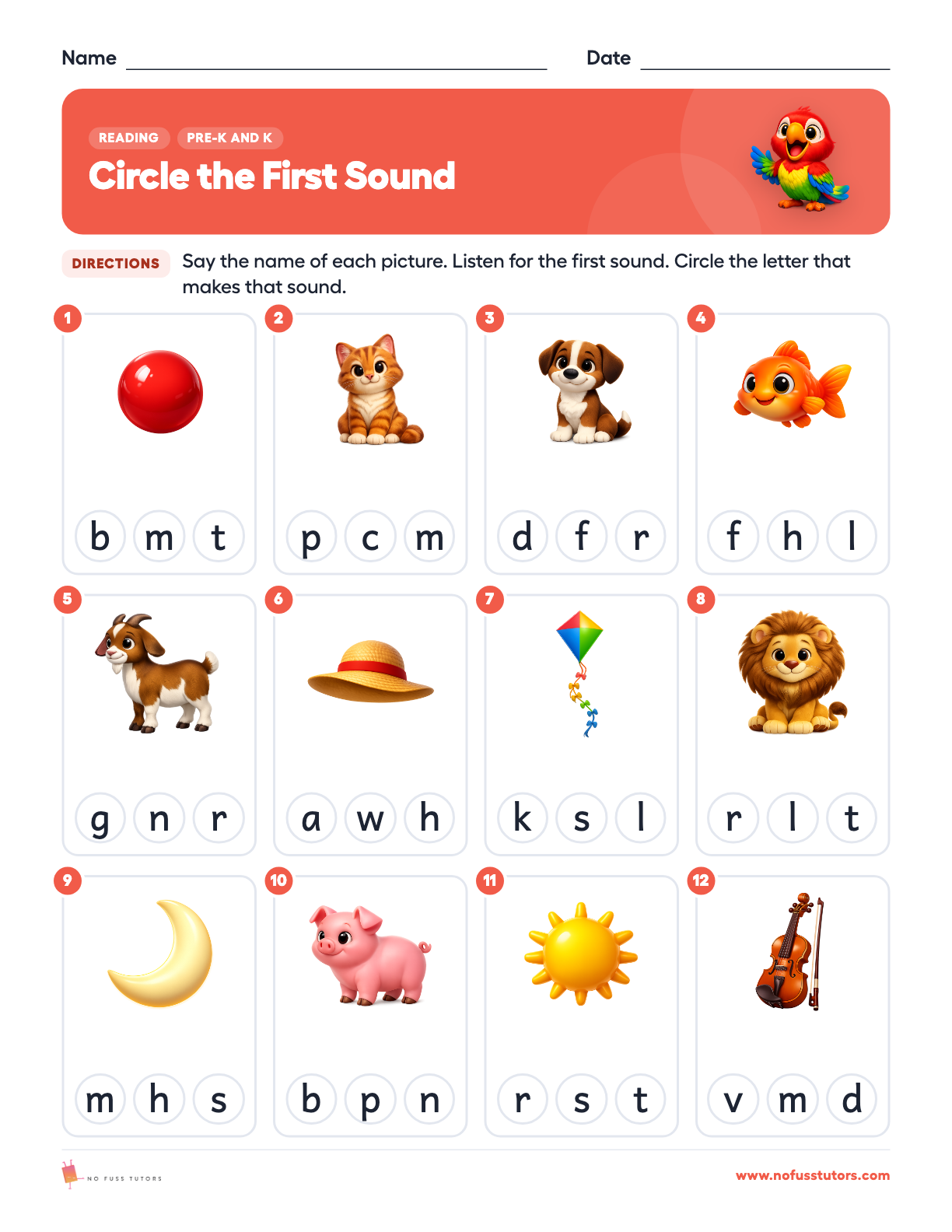
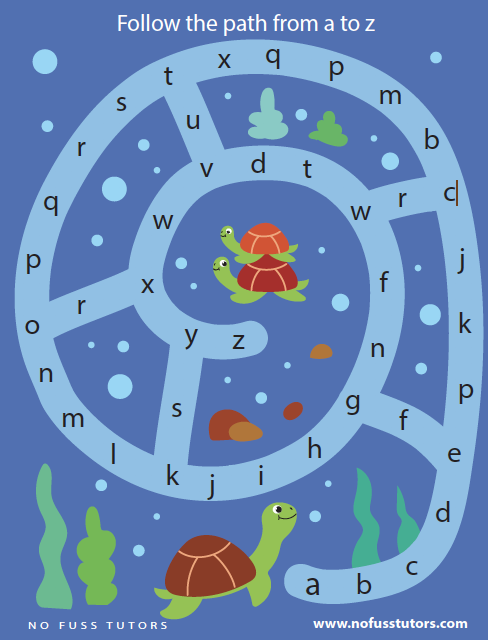
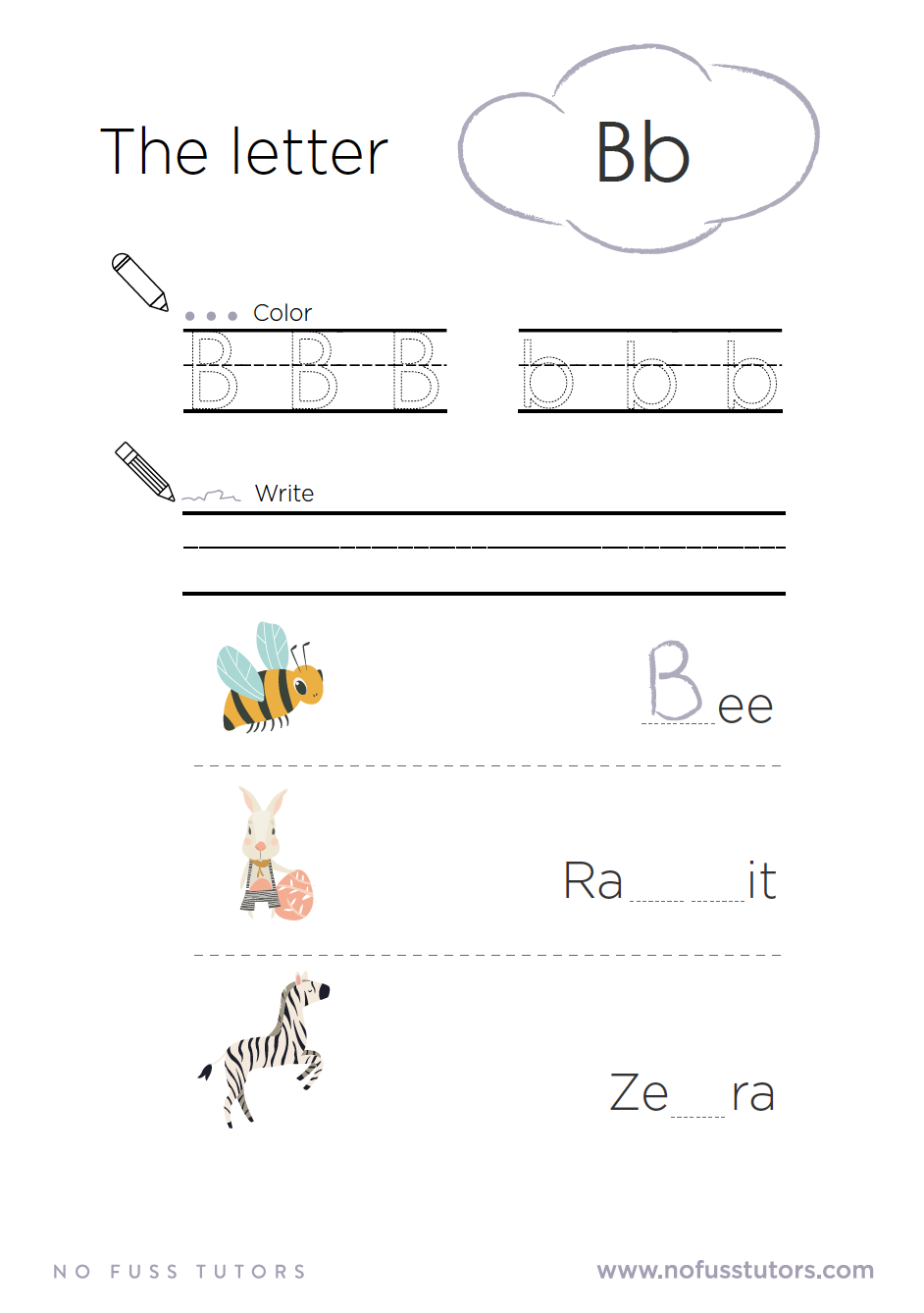
All about the letter C worksheet for the preschool level. Trace the letter C. Practice with printing both capital C and lower case c. C is obviously third in the alphabet and our recommendation is then not an obvious one, that you should work on this sheet after working on the letter A and B worksheets.



Letter ‘c’ Worksheets for Children
Teaching the alphabet is foundational for reading and writing. It is the basis of literacy and hence, children must learn to recognize the name and sound of letters, both in and out of order. Around the age of two, children begin showing interest in learning letters. While some kids learn letters very quickly, others need more repetition and time to learn.
However, learning the alphabet must always begin early in a child's life. Children not learning alphabets until they start school is never recommended. In fact, they should be well on their way to alphabet mastery before kindergarten, being introduced to letters before the age of three.
There are a handful of ways children can achieve this - using coloring books, solving exercises on tracing ‘c’, doing worksheets on using lower and upper case ‘c’, cutting and pasting activities, matching games, alphabet art (for kids with a creative streak), flashcards games with a scoring system to win, and much more. However, kids should be encouraged to learn one alphabet at a time, and must not jump to the next one without sufficient practice.
Children can learn letters via different paths. Consequently, teaching should be responsive to each student's current letter knowledge. Efficient teaching that supports students to write and recognize new letterforms proceed quickly. The process is memorable when children are encouraged to make connections to known letters and words. Completing worksheets on the letter ‘a’ and the letter ‘b’ beforehand, and using these connections to support their literacy is recommended.
If the child is progressing fast with letter learning, it’s a good idea to now teach the different sounds that ‘c’ makes not just at the starting but also middle and end of a word. This can be done by teaching the child a few examples where ‘c’ creates a sound different from the /k/ as in cat. Some examples are the /s/ as in cinema, city, and cent, and the /ch/ as in chart and chimney. Kids find these oddities fascinating and it keeps them engaged.
Teaching the Pronunciation of Letter ‘c’ to Kids
When your child is learning the letter ‘c’, it is important to point out to them that the letter has a hard and a soft sound. The hard letter ‘c’ sound is pronounced the same as /k/ and is a lot more common. The soft letter ‘c’ sound is pronounced the same as /s/. The primary sound is the hard one, as heard in ‘cat ’.
Since this letter’s name does not evoke the /k/ sound as in cat, it can be hard for children to master the sound-to-letter link. By linking the letter ‘c’ to sounds made by words like cat, camel, car, and castle, the connection becomes concrete rather than abstract. C as in cat! C as in camel! C as in car! C as in castle! That’s the way to learn this particular sound for ‘c’.
One added complexity arises with the letter C – its primary sound is shared by the letter ‘k’. It’s a good idea to let your child know that the sound at the beginning of cat and kitchen are the same, even though they use different letters. There is no reason to go out of your way to raise this issue, but since so many children wonder about the fact that two letters share a sound, it’s good to keep them informed to prevent future confusion from arising.
Why is Learning the Alphabet Important?
Research has long supported the fact that children's knowledge of letter names and shapes is a strong predictor of their success in learning to read.
Building literacy and language skills help children be kindergarten-ready, so they enter school with a love of books and ready to learn. This is important for school success because eventually, they move from learning to read, to reading to learn. At that point, if children struggle with reading, they’ll struggle with learning too.
Literacy development is a dynamic process that builds over time. Early literacy development begins in the first three years of a child’s life and supports their future language development, reading, writing, and overall learning. To advance through subjects like math and science, the child must first be able to read and understand what that content is.
Early literacy skills are vital for children’s further language and literacy development. From providing them with a foundation for future learning to providing them with ways to learn about and understand the world, working on and enhancing early literacy skills with your little one will only benefit them.
Begin Solving Alphabet Worksheets at the Right Time
The optimum moment to start solving alphabet worksheets varies for every child. Most children begin recognizing some letters between the ages of two and three, though some won't until they are around four years old. There's no need to push your toddler to learn the alphabet if they don't seem capable yet.
However, considering the age of two years as an ideal age to begin teaching the alphabet to your child, is a safe bet. You must aim to encourage your child in such a way that they are on the path to being able to correctly identify all 26 alphabets by the time they turn four or five years old.
Every child learns at a different speed, which is why it is irrational to compare your child’s familiarity and comfort with alphabets, and other academic milestones with those of other children. Therefore, it’s considered best to not overburden the child with too much studying from books, lessons, and worksheets. Always aim for balance.
Pushing your child to solve a larger number of worksheets than they comfortably can and not giving them enough freedom to play and explore, can do more harm than good. When children are free to make their own choices about completing a worksheet, they feel like they’re playing but when we offer no choice, children are less engaged and much less likely to enjoy the activity.
Benefits of Solving Worksheets with Your Toddler
The worksheet collection on this page is child-friendly. These alphabet worksheets full of eye-catching pictures and are easy to follow along, making them one of the best options available to teachers and parents who take early literacy seriously. They are suitable not only for school-going children but are a great option for kids being homeschooled as well. Also, first-time learners as well as children who want to revisit phonics and alphabet usage, both can benefit from the worksheets hosted on this page.
Letter ‘c’ worksheets focus on the usage of the particular letter and contain ample examples of its usage. Solving these worksheets:
- promotes creativity in children, lets them trace and try out all the different letter shapes
- calms and relaxes restless toddlers and helps them create a habit of focusing on one task for a long amount of time
- develops fine motor skills among children
Not all parents, especially first-time parents, have much knowledge about how to conduct alphabet education – and that’s completely alright! Resources such as the inquisitive worksheets on this page are here to help. They are not only a useful guide but can become a critical tool in your toddler’s alphabet adventure.