

Letter D Worksheet
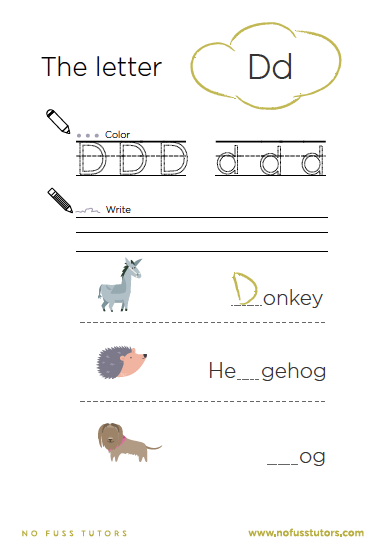
The letter D worksheet for the preschoolers. Practice practice practice. Lower case d and b often are hard to differentiate for young children. Be sure to practice with both our b and d worksheets side by side to work on this skill! D is for Dog 🐶

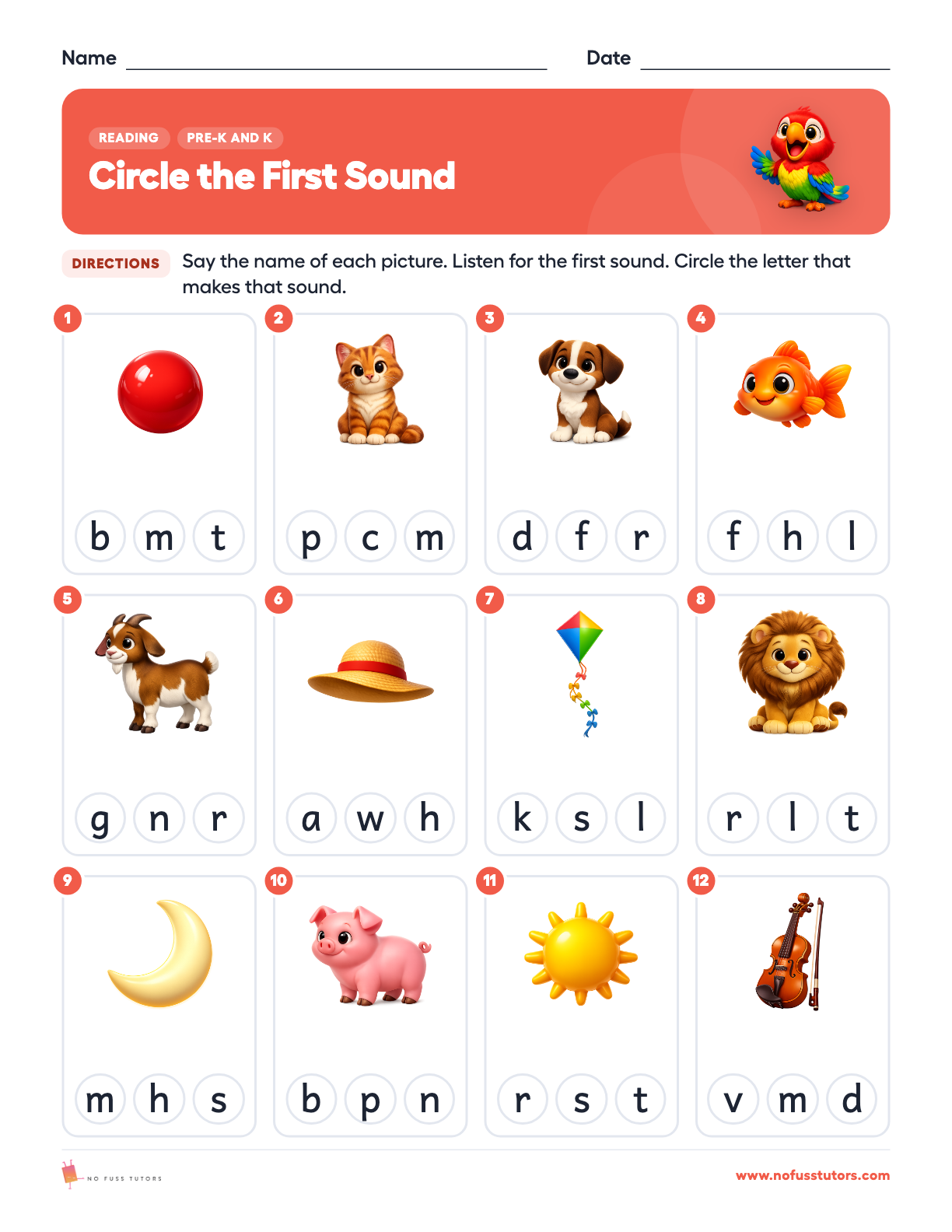

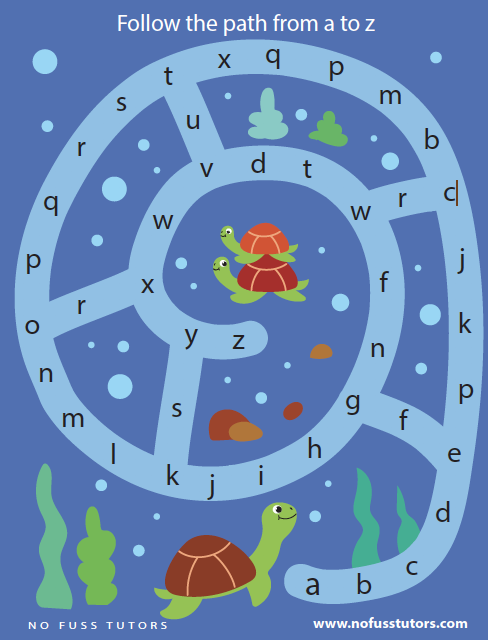

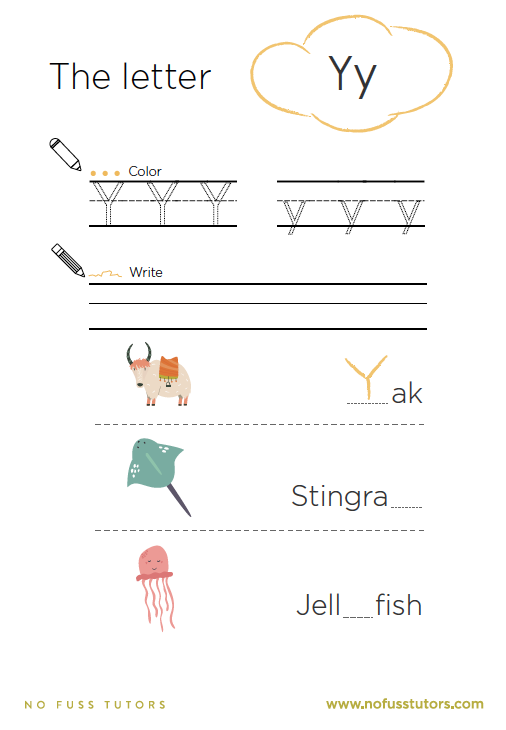
Super-Fun Letter ‘D’ Worksheets for Children
Being one of the first four letters of the English alphabet, the letter ‘d’ falls right at the beginning of a child’s journey to read. The method you choose for teaching this letter to your child sets a routine for the other letters that will follow. It is hence vital to choose a truly effective method.
Also, teaching how to read is a rather tough business. Parents always think that they’re not doing a good enough job. Children, especially slow learners, indulge in self-blame too, when they struggle at reading even small words. In an age where they should be sprouting positive thoughts and spreading their wings, they are crushed by shame and underachievement.
No child deserves to suffer due to incorrect teaching methods, which is why we have created an online collection of easy-to-access worksheets that follow the right approach. Focusing on handwriting development, phonic awareness, and letter recognition, these worksheets are holistic and fun to solve with your children.
Although online worksheets are a rather simple learning tool, they can deliver great benefits. Their short length makes them effective for step-by-step phonic lessons. Illustrated reading exercises are another feature of alphabet worksheets, aimed at helping your child become a reading and spelling expert in no time.
A word of advice: do make sure that your child has solved sufficient worksheets on the letter ‘c’ before moving on to ‘d’. Continuity is essential when it comes to alphabet learning. Also, teaching sequentially bears more fruit and can accelerate the process. Lastly, if you feel there is still room for practice on previous concepts, avoid moving on until the foundation is concrete.
Teaching How to Pronounce the Letter ‘D’
Begin by teaching your child how to utter the letter ‘d’. Press the tip of your tongue to the top of your mouth, right behind the front teeth. Then, separate the tongue and the mouth by pushing out the air, ultimately making the sound of ‘d’. Repeat the process very slowly, until your child is able to imitate you.
The best way to reinforce letter-sound links is by using the letter in actual words. Try speaking some short, three-letter words beginning from ‘d’ such as dad, day, dog, etc. If your child knows someone whose name begins with the letter ‘d’, try using that name to teach the /d/ sound. Be sure to use only familiar words whose meaning either the child knows or you can explain easily.
Using words from daily life that start with a ‘d’ is also a good idea. Lay emphasis on the ‘d’ when you say the word ‘door’ to your child. The same goes for dad, dog, dress, draw, dance, and more. When kids can see the object and hear its name at the same time, they understand better. Before you know it, kids develop a habit to start using those words. The truth is that children are more excited to learn new words than parents are while teaching them!
Teaching alphabets is not going to be easy and will require a great deal of patience from the parent’s end. Toddlers are restless and constantly distracted. Getting them to sit down and focus is a challenge in itself. A tip here is to be consistent while teaching. Teach the same letter over and over again. Make the most out of whatever short attention spans you can get from the child.
Once you feel confident that the child has understood the symbol, sound, and basic usage of the letter ‘d’, move on to longer words or words that contain ‘d’ in the middle or end, not starting with it. You can also find ample videos about the letter ‘d’ on the internet. Follow up with two to three worksheets on writing the letter or phonics of the letter, and the concept will surely appear crystal clear to the child.
Alphabet Learning – When and How
The perfect age to get started with a-b-c is around the age of two. Children must begin alphabet learning when they are still toddlers, not after entering kindergarten, as many parents wrongly presume. However, there’s no need to worry if your child doesn’t develop mastery instantly. Every child has a unique mind that works at a unique pace. Getting the process of learning started is what matters, results follow later.
When focusing on phonic awareness, using pictures of animals always helps. Show your child the image of a dog, a duck, a deer, or a dolphin. Then, show images of animals who have ‘d’ somewhere in the middle or at the end of their name, like a lizard, a bird, a panda, a leopard, and a ladybug. This method only works if the name of the animal is clearly written below the image, or else the child cannot draw the inference with ease.
While teaching how to write the letter, make sure you explain both the writing styles (cursive as well as print) and both the upper case and lower case ‘d’. When using the lower case letter in print style, children often mix up ‘b’ and ‘d’ due to their resemblance. Take an extra step to explain the difference between the two.
Maximal Learning Through Alphabet Worksheets
A child’s educational journey begins by learning to read. However, the phrase is soon reversed. As new subjects like science and social studies come into the picture, children begin reading to learn. If their reading skills are poor, all subjects are destined to suffer as children cannot comprehend the content in their books.
Phonemic awareness and alphabet knowledge are what it takes to avoid this helpless situation. They are essential to early literacy, yet many schools ignorantly skip them or simply show a phonic chart to children and expect them to memorize it. A successful approach is to make the children understand phonetics instead of cramming them but this can only happen with months of practice using worksheets.
Our letter ‘d’ worksheets are designed to facilitate maximal learning, helping children shine in early literacy concepts. The fun-and-frolic tone of the worksheets makes learning feel like a game. Parents can relax knowing that their child is not being overburdened and is actually enjoying the process. Before you know it, your child will develop reading fluency, naturally followed by confidence and self- esteem.
Your child will also eventually be able to communicate better, understand books easily, and shine in almost all of the other subjects. Watching your child transition from a phase where they are simply uttering random words to a phase where they start talking smartly, is a proud moment for every parent. With just a nudge in the right direction, your child can achieve it all.