

If your 7-year-old still can't read, you are probably feeling a mix of worry and guilt. Maybe classmates are reading chapter books while your child is still guessing at short words. Maybe homework time ends in tears most nights.
Take a breath. Seven is a very common age for reading problems to show up, and it is also a great age to fix them. Children this age are still building the brain pathways for reading, and with the right kind of practice most of them make real progress.
This guide covers what is typical for a 7-year-old, the signs that something is getting in the way, what you can do at home starting tonight, and when it makes sense to bring in extra help.
What reading looks like at age 7
Most 7-year-olds are in first or second grade. Children learn at different speeds, so think of these as rough guideposts rather than a test your child has to pass.
By around the end of first grade, many children can:
- Say the sound for each letter of the alphabet, not just its name.
- Sound out and blend short words like cat, ship and jump.
- Read many common words quickly, like the, said, was and they.
- Read a simple book with short sentences, even if they go slowly.
- Retell what happened in a story they just read.
During second grade, children usually move from sounding out every word to reading more smoothly. They start to handle longer words, vowel teams like ee and ai, and books with a few sentences on each page.
If your child is a little behind on some of these, that is not a reason to panic. If they are well behind on most of them, or they seem stuck and are not moving forward, it is worth paying closer attention now rather than waiting.
For a deeper look at the stages of learning to read, see our article on when a child learns to read.
Common reasons a 7-year-old struggles to read
Reading is not natural the way talking is. The brain has to be taught to connect sounds to letters, and some children need that teaching to be much more direct. Here are the most common reasons we see a 7-year-old fall behind.
They were taught to guess instead of decode
Some children learn to read by memorizing words or guessing from the picture and the first letter. This can work with very simple books, then falls apart as soon as the words get longer. If your child looks at the picture before the word, or says "horse" when the word is house, this may be part of the problem.
Gaps in phonics
Phonics is the link between sounds and letters. If your child missed some of it, maybe because of a move, a school change or a lot of time away, they may know some letter sounds but not others. Every missing piece makes reading harder.
Weak phonemic awareness
Phonemic awareness is the ability to hear and play with the separate sounds in spoken words. A child who cannot tell you that cat starts with /k/ or that sun and fun rhyme will have a hard time matching sounds to letters on a page.
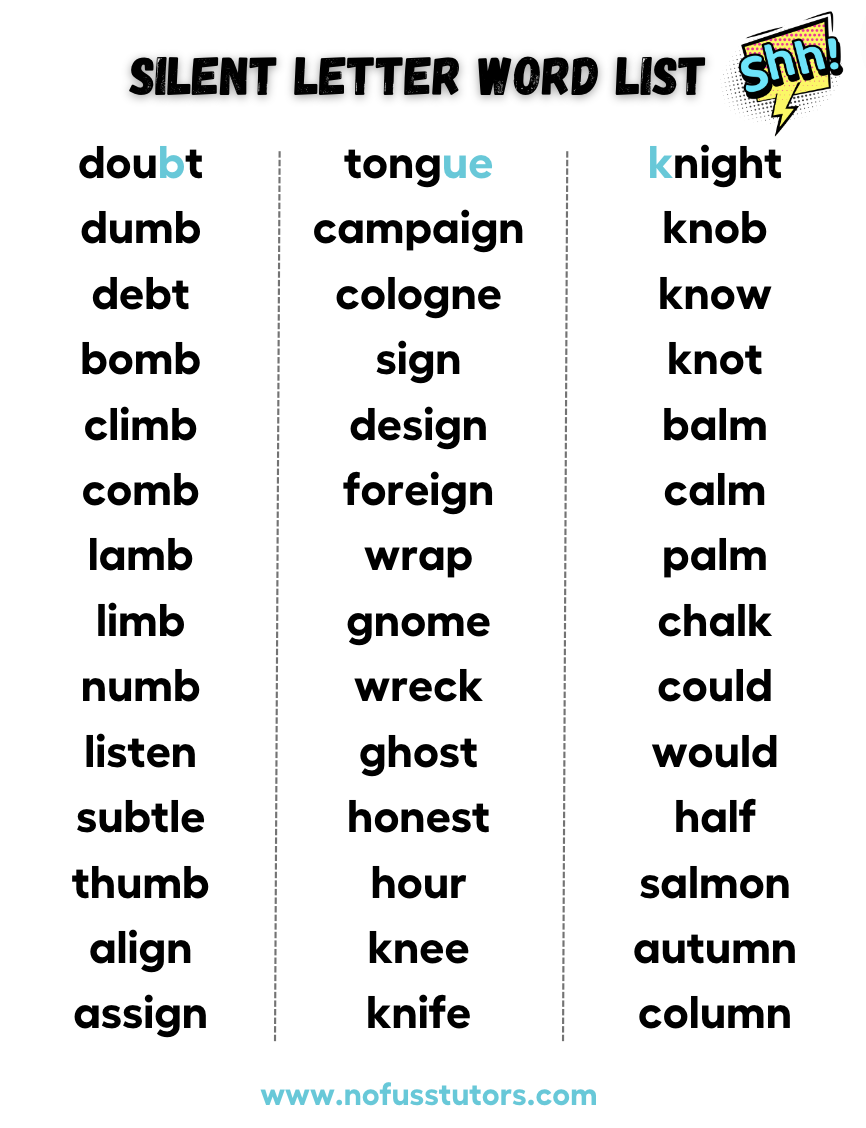

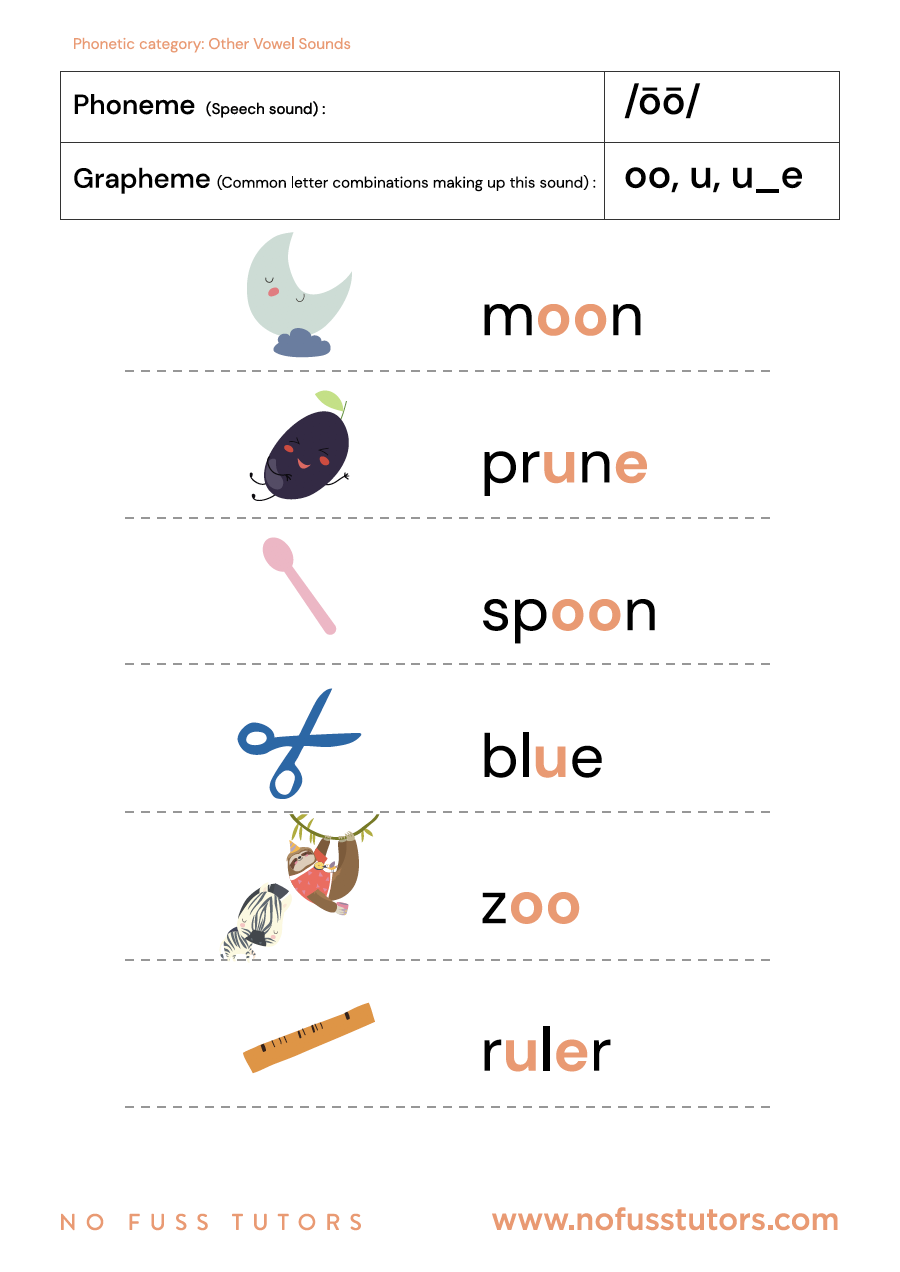

A learning difference such as dyslexia
Some children have a harder time with reading even when they are taught well. Dyslexia is one possibility. Only a qualified professional can diagnose it, but you can read more about the signs and how to help in our guide on how to help a child with dyslexia learn to read.
Vision, hearing or attention
If your child squints, rubs their eyes, complains of headaches or often mishears words, ask your doctor about vision and hearing checks. These are quick to rule out and easy to miss.
Warning signs to watch for
Any one of these on its own is not a cause for alarm. A cluster of them, or signs that are not improving, means it is time to act:
- Your child still mixes up many letter sounds.
- They cannot blend sounds into a word, for example they say /m/ /a/ /p/ but cannot tell you the word is map.
- They read a word correctly on one page and cannot read it on the next.
- They rely heavily on pictures or guess from the first letter.
- Reading is very slow and tiring, even with short, simple books.
- They avoid reading, get upset, or say they are "dumb" or "bad at reading."
- Spelling is very hard, even for short words they have practiced.
- There is a family history of reading difficulties.
What you can do at home tonight
You do not need to be a teacher to help. Short, regular practice is far more useful than one long session on the weekend. Aim for 10 to 15 minutes a day, and stop while it is still going well.
1. Find out which letter sounds they know
Write the lowercase letters on index cards, mix them up, and ask your child to tell you the sound each one makes. Make two piles: sounds they know and sounds they don't. This takes five minutes and tells you exactly where to start. Practice two or three new sounds at a time until they are automatic.
2. Play quick sound games out loud
These need no paper at all and work well in the car or at dinner. Ask, "What sound does dog start with?" Say a word slowly, like /s/ /u/ /n/, and have your child blend it into sun. Then flip it: you say a word and they break it into sounds. If they find this hard, that is useful information, and it means these games are exactly what they need.
3. Practice blending short words
Write a simple word like map. Have your child say each sound while touching each letter, then slide a finger under the word and say the sounds faster until they hear the word. Change one letter at a time to make new words: map, mat, sat, sit, sip. Our phonics worksheets give you ready-made word lists to work from.
4. Use books your child can actually decode
Decodable books use only the sounds your child has learned so far, so they can read them by sounding out instead of guessing. They may feel a little simple, but success builds confidence. Keep harder favorites for you to read aloud. You can print free decodable books to get started.
5. Keep reading aloud to them
Reading to your child every day still matters at seven. It builds vocabulary, background knowledge and a love of stories while their own reading skills catch up. Pause now and then to talk about what is happening or what a new word means.
6. Protect their confidence
Praise effort, not just correct answers: "You kept trying on that tricky word." Avoid making them read aloud in front of siblings or friends if they feel embarrassed. If tears start, stop and try again tomorrow. A child who feels safe is much more willing to take a risk on a hard word.
When to get extra help
If you have been practicing at home for several weeks and you are not seeing progress, or your child is falling further behind their class, it is time to bring in support. Start by talking to your child's teacher. Ask what they see in class, what reading level your child is at, and whether the school offers reading intervention.
If reading difficulties run in your family, or your child has several of the warning signs above, you can also ask the school or your doctor about a reading assessment. Getting a clear picture early means you can get the right kind of help sooner.
Many families also choose a reading tutor. A good tutor can find the exact gaps, teach the missing skills in a clear order, and give your child far more practice reading aloud than a busy classroom can. Our article on the signs your child needs a reading tutor can help you decide.
How No Fuss Tutors can help
No Fuss Tutors offers 1-on-1 live online reading tutoring for kids across the US and Canada. Lessons happen on a video call with a colorful interactive whiteboard, and your child works with the same tutor every lesson if you like them.
Our Reading Boost Program is grounded in the Science of Reading and covers phonological awareness, phonics, vocabulary, fluency and comprehension. For children who need to rebuild the basics, our online phonics tutors start with the sounds your child is missing and build from there.
Frequently asked questions
Is it normal for a 7-year-old not to be reading yet?
Children learn to read at different speeds, and some 7-year-olds are still early readers. But most children this age can sound out short words and read simple books. If your child cannot yet do that, or is not making steady progress, it is worth looking into now rather than waiting for them to grow out of it.
Should I wait and see if my child catches up on their own?
Waiting is rarely the best plan. Reading problems tend to grow as books get harder, and it is usually easier to close a small gap than a large one. Start short daily practice at home, talk to the teacher, and get extra help if you do not see progress within a few weeks.
Does my 7-year-old have dyslexia?
Struggling to read does not automatically mean a child has dyslexia, and only a qualified professional such as a psychologist can diagnose it. If your child has several warning signs, or dyslexia runs in your family, ask your school or doctor about an assessment.
How long does it take for a struggling reader to catch up?
It depends on the size of the gap and how often your child practices. Many children make noticeable progress within a few months of regular, structured lessons. Consistency matters most, which is why we recommend 3 lessons a week for children who are behind.


