

Every child has a rough week with reading now and then. But when the rough weeks keep adding up, it can be hard to know whether your child just needs more time or whether they need real help.
Below are ten signs that a reading tutor could make a difference, plus a few things to try at home first and what to look for if you decide to hire one.
10 signs your child may need a reading tutor
1. They are behind their grade level
If your child's report card, teacher or school reading assessment says they are below grade level, take it seriously. Small gaps in the early grades tend to grow as the books get longer and harder. Catching them early is much easier than catching up later.
2. They guess at words instead of sounding them out
Watch your child read a page. Do they look at the picture, look at the first letter, and say a word that makes sense but is not on the page? Guessing is a sign that they have not fully learned how to decode, and it stops working once pictures disappear from books.
3. Reading is slow and choppy
Some children can read every word correctly but so slowly that they lose track of the meaning. If your child reads word by word, without expression, long after their classmates have moved on to smoother reading, they likely need help with fluency.
4. They read the words but cannot tell you what happened
A child who can read a page aloud perfectly and then has no idea what it was about has a comprehension gap. This often shows up in grades 3 and up, when school shifts from learning to read to reading to learn. Our guide to reading comprehension strategies for kids explains why this happens.


5. Spelling is a constant struggle
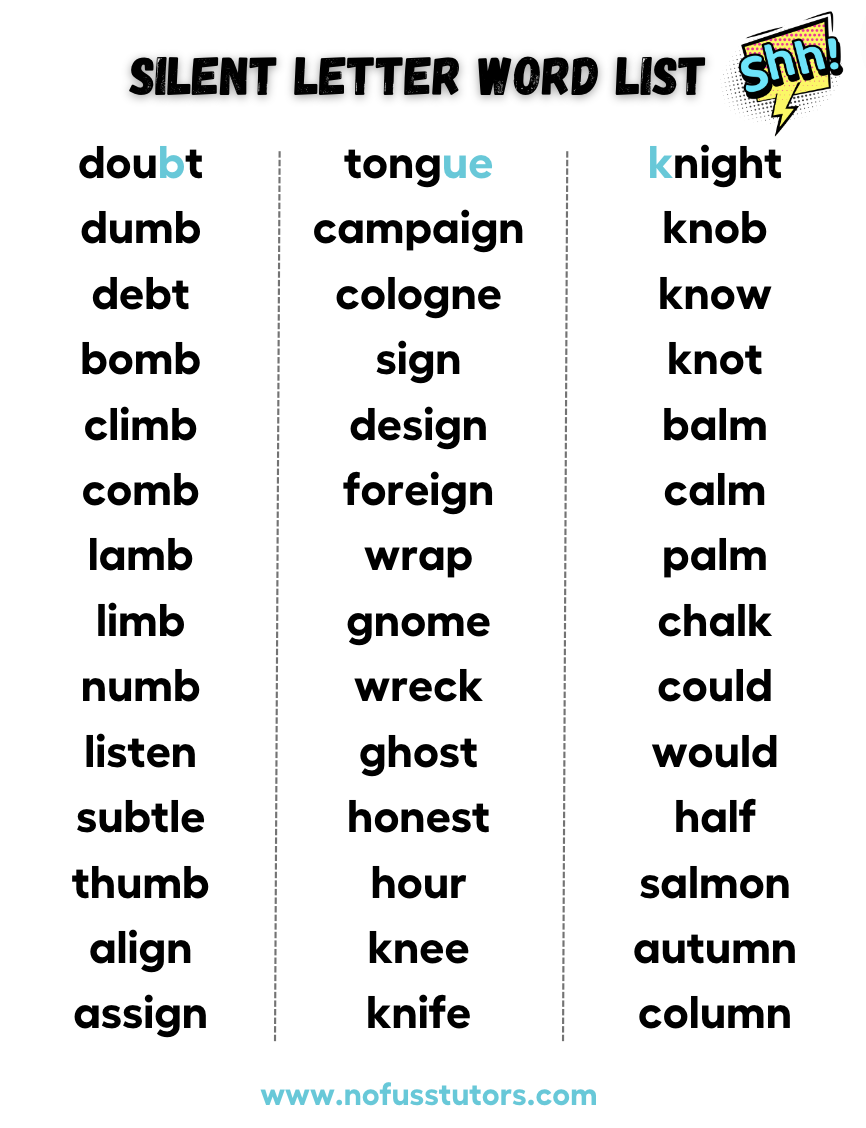
Reading and spelling use the same knowledge of sounds and letters. If your child spells many short words incorrectly, or spells words the way they sound with no sense of common patterns, the same gaps are probably slowing down their reading.
6. They avoid reading at all costs
Children who find reading hard often find ways to avoid it. They need the bathroom, they are suddenly tired, they would rather do anything else. Avoidance is often a sign of difficulty, not a lack of interest.
7. Homework turns into a battle
If every assignment that involves reading ends in tears or arguments, and it is affecting your family's evenings, a tutor can take the pressure off you and give your child a calm place to build skills. Our article on what to do when your child won't do homework has more ideas.
8. Their confidence is slipping
Listen for phrases like "I'm bad at reading" or "I'm the worst reader in my class." Children who feel behind often stop trying, which makes the gap bigger. A tutor who sets them up for small, regular wins can turn this around. If reading aloud in class is a particular fear, see our article on reading anxiety.
9. Struggles are showing up in other subjects
Word problems in math, science textbooks and social studies worksheets all depend on reading. If your child understands the ideas when you explain them but falls apart when they have to read on their own, reading is likely the real issue.
10. Help at home has not been enough
Maybe you have tried reading together every night, flashcards and apps, and things are still not improving. That does not mean you did anything wrong. Some children need teaching that is more structured, or more frequent, than a busy parent can realistically provide.
What to try at home first
If you have only noticed one or two of these signs, it can help to try a few things at home for a few weeks before hiring a tutor:
- Listen to your child read aloud for 10 minutes a day and note which words trip them up.
- Check whether they know every letter sound. Gaps here are common and easy to fix with short daily practice.
- Choose books at a comfortable level, where they can read almost every word, and reread favorites to build fluency.
- After reading, ask one or two simple questions: who was in the story, and what happened?
- Print a few reading worksheets for their grade to practice specific skills.
- Talk to their teacher about what they see in class and what the school can offer.
If things improve, great. If they do not, or if your child shows several of the signs above, that is a good time to bring in a tutor.
What a good reading tutor does differently
Not all tutoring is the same. A tutor who simply helps with homework may get tonight's assignment done, but it will not fix the underlying gaps. Here is what to look for:
- They assess first. A good tutor finds out exactly which skills your child has and which are missing before planning lessons.
- They teach in a clear order. Reading skills build on each other, so lessons should follow a structured sequence grounded in the Science of Reading.
- They cover all the parts of reading: phonological awareness, phonics, vocabulary, fluency and comprehension.
- They keep your child reading aloud. A tutor should listen to your child read and correct errors in the moment.
- They track progress and tell you what they see.
- Your child likes working with them. A good relationship makes children more willing to try hard things.
How often should a child see a reading tutor?
Frequency matters more than session length. Short lessons several times a week give your child regular practice and less time to forget between sessions. At No Fuss Tutors, we recommend 3 lessons a week for children who are working to catch up.
How No Fuss Tutors can help
No Fuss Tutors offers 1-on-1 live online reading tutoring for kids across the US and Canada. Lessons take place on a video call with a colorful interactive whiteboard, and your child can keep the same tutor every lesson.
Our tutors range from Certified Teachers and Early Childhood Educators to subject experts with professional tutoring experience. Our Reading Boost Program is grounded in the Science of Reading. Whether your child needs to go back to basics with an online phonics tutor or needs help understanding what they read, we start with where they are now.
Frequently asked questions
At what age should a child get a reading tutor?
There is no single right age. Children as young as kindergarten can benefit if they are struggling with letter sounds, and older students can benefit if comprehension is holding them back. The best time is as soon as you notice a gap that is not closing on its own.
Is online reading tutoring effective for young children?
It can be very effective when lessons are live, 1-on-1 and interactive. Our tutors use a colorful interactive whiteboard so children can see, say and practice sounds and words together with their tutor in real time.
How much does a reading tutor cost at No Fuss Tutors?
For JK to Grade 8, lessons are $30 USD per 45 minute session, sold in packages of 12. High school lessons are $40 USD per 1 hour session. A second child gets a 10% discount.
How do I know if tutoring is working?
Look for steady signs of progress: fewer guesses, smoother reading, better answers to questions about the story and more willingness to read. A good tutor will also tell you what skills your child has mastered and what they are working on next.


