

Hearing that your child is behind in reading can feel like a punch in the stomach. You may be wondering how it happened, whether you missed something, and whether they can ever catch up.
They can. Children fall behind in reading for all kinds of reasons, and most of them can close the gap with the right plan and steady practice. The key is to stop guessing and find out exactly where the problem is.
Step 1: Find out where the gap is
"Behind in reading" can mean very different things. Reading is made up of several skills that build on each other, and a child can be strong in some and weak in others. Generic extra reading will not help much until you know which skill is missing.
Here are the main areas, from the most basic up:
- Phonological awareness: hearing and playing with the sounds in spoken words.
- Phonics: matching sounds to letters and sounding out words.
- Fluency: reading accurately, at a comfortable speed, with expression.
- Vocabulary: knowing what words mean.
- Comprehension: understanding and thinking about what was read.
A gap low on this list causes problems all the way up. A child who cannot decode words easily will also read slowly and struggle to understand. So it is usually best to start at the bottom and work up.
A quick check you can do at home
Sit with your child and a book at their grade level. Ask them to read a page aloud, then tell you what happened. Notice:
- Do they get stuck sounding out words, or guess from the first letter? That points to phonics.
- Do they read the words correctly but very slowly, word by word? That points to fluency.
- Do they read smoothly but cannot tell you what it was about? That points to vocabulary or comprehension.
Then ask the teacher what they see and what any school reading assessments show. Put both pictures together and you will have a much clearer idea of where to focus.
Step 2: Build a simple daily routine
Catching up requires more practice than your child is getting now. That does not mean hours of extra work. It means a short, focused routine almost every day. Aim for 15 to 20 minutes, split into a few parts.


If the gap is in phonics
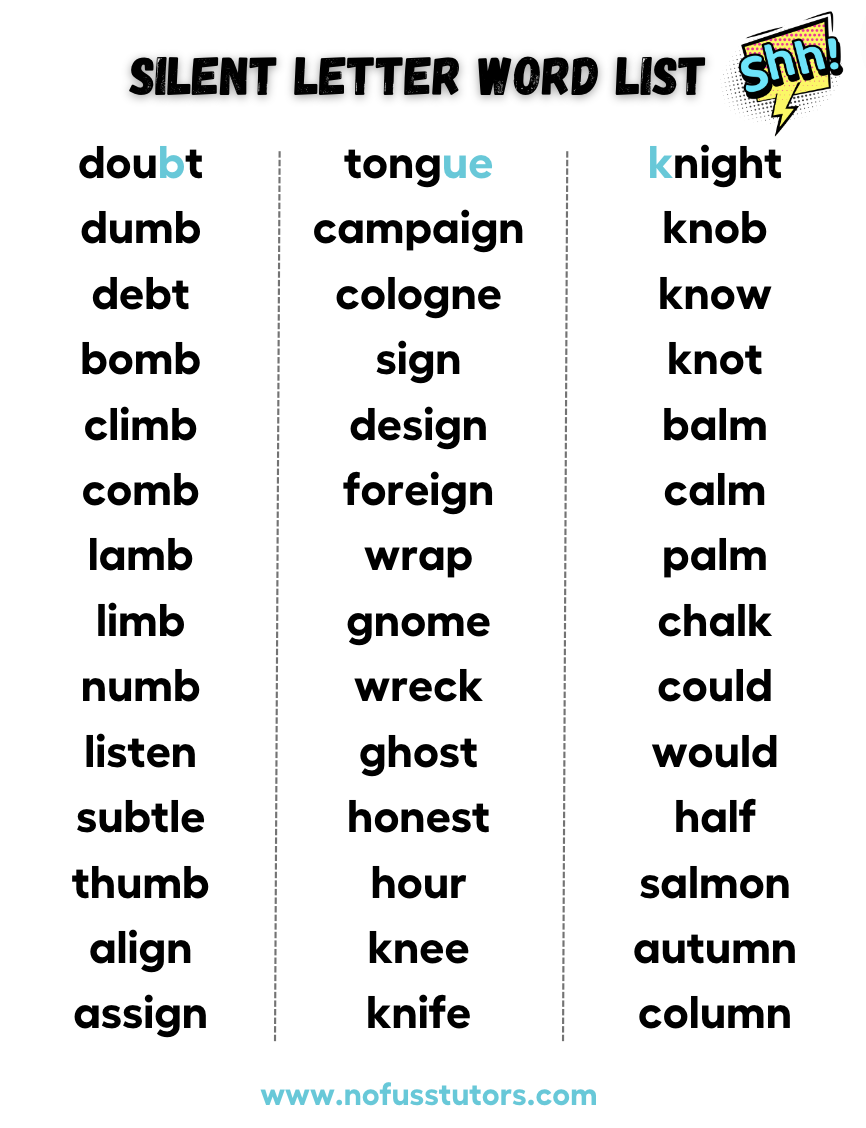
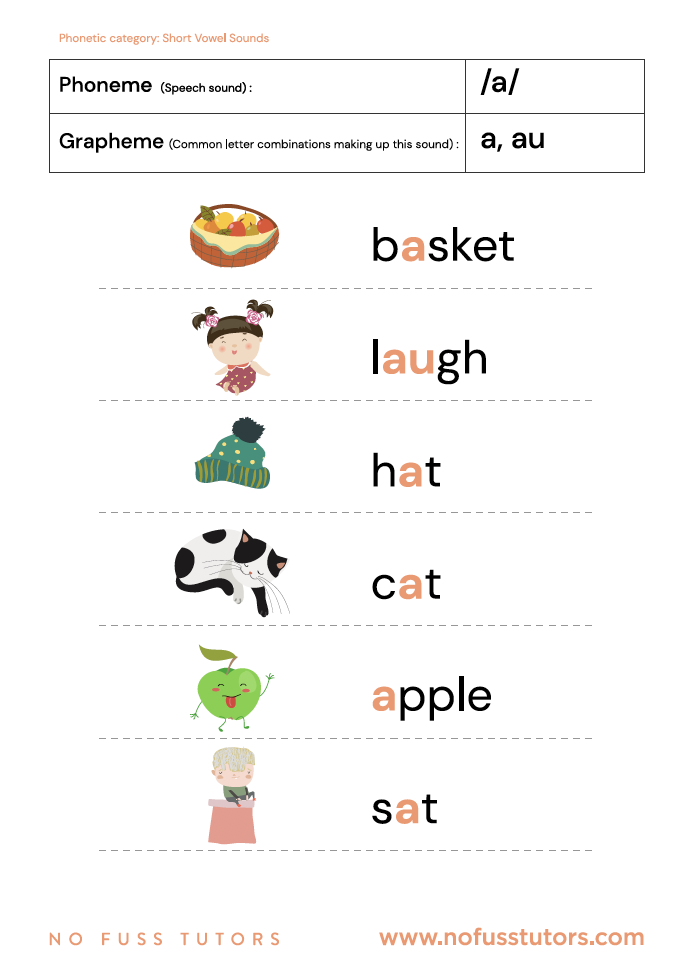
Check which letter sounds and patterns your child knows, then practice the missing ones a few at a time. Blend short words together, write a few words with the new pattern, and read a short decodable book that uses it. Our guide on how to teach phonics at home lays out the steps in order, and our phonics worksheets give you ready-made practice.
If the gap is in fluency
Try repeated reading. Choose a short passage your child can read with few errors. You read it aloud first while they follow along. Then they read it aloud three or four times over a few days. Each time, it should get smoother. Paired reading, where you read together out loud at the same time, also helps children hear what fluent reading sounds like.
If the gap is in comprehension
Talk before, during and after reading. Ask what they think the book will be about, stop to check what just happened, and ask them to retell the story in their own words at the end. Our article on reading comprehension strategies for kids has many more ideas.
For every child: keep reading aloud to them
Reading to your child, even if they are older, builds vocabulary and background knowledge they cannot yet get from books they read alone. It keeps them connected to stories and shows them reading is worth the work.
Step 3: Choose the right books
Children who are behind are often handed books that are too hard for them, because the books match their grade. Struggling through every word is exhausting and teaches very little.
For practice reading, choose books your child can read with very few mistakes. That might mean books that feel younger than their age. Look for high-interest books written at a lower reading level, which are made for exactly this situation. Save the harder books for reading aloud together.
Step 4: Work with the school
You and your child's teacher are on the same team. Ask for a meeting and come with specific questions:
- What reading level is my child at, and what level is expected?
- Which skills are they struggling with most?
- Does the school offer reading intervention or small group support?
- What can I do at home that matches what you are doing in class?
- When should we check in again to see if things are improving?
If your child has several signs of a reading difficulty, or reading problems run in your family, ask whether an assessment would help. Our guide to what to ask in a parent-teacher conference can help you prepare.
Step 5: Protect motivation
Children who are behind usually know it. Many feel embarrassed and start avoiding reading, which slows progress further. A few things help:
- Track progress your child can see, like a chart of books finished or sounds learned.
- Praise effort and strategies, not just correct answers.
- Let them choose what they read for fun, including comics, graphic novels and books about their interests.
- Never compare them to siblings or classmates.
- Keep practice short and end on a success.
How long does it take to catch up?
There is no single answer. It depends on how big the gap is, which skills are involved, and how often your child gets focused practice. What we can say is that consistency matters more than anything else. A little practice nearly every day adds up much faster than a big push once a week.
When to bring in a tutor
If you have been working on reading at home for a while and the gap is not closing, or your child is more than a grade level behind, a tutor can speed things up. A 1-on-1 tutor can pinpoint the missing skills, teach them in the right order and give your child far more practice reading aloud with feedback than a classroom can.
No Fuss Tutors offers 1-on-1 live online reading tutoring for kids across the US and Canada. Our Reading Boost Program is grounded in the Science of Reading and covers phonological awareness, phonics, vocabulary, fluency and comprehension. We recommend 3 lessons a week for children who are catching up, so practice stays frequent and skills build quickly.
Frequently asked questions
Can a child who is behind in reading catch up?
Yes. Many children who fall behind catch up with targeted teaching and regular practice. The earlier you start, the smaller the gap usually is, but it is never too late to improve.
Should my child repeat a grade if they are behind in reading?
That is a decision to make with your child's school, and it depends on many factors. Repeating a grade on its own does not fix reading gaps. What helps most is targeted teaching of the specific skills your child is missing.
Is reading more books enough to catch up?
Reading more helps, but only if the books are at the right level and the underlying skills are in place. A child who cannot decode well will not catch up just by reading more hard books. Start by finding and fixing the specific gap.
How many tutoring sessions a week does a child need to catch up?
We recommend 3 lessons a week for children who are working to catch up. Frequent sessions keep skills fresh and help children build momentum.


